

Understanding PFAS and PFOS Contamination
PFAS (Per- and Polyfluoroalkyl Substances) and PFOS are a group of man-made chemicals widely used in industrial and consumer products for their resistance to heat, water, oil, and stains. These chemicals are often referred to as “forever chemicals” because they break down extremely slowly in the environment and can persist in soil, groundwater, and living organisms for many years.
Due to decades of widespread use, PFAS compounds are now commonly detected in groundwater, surface water, soil, and even in the bloodstream of humans and animals. These chemicals can also be found in certain foods and water sources, raising growing concerns about their long-term environmental and health impacts.
Government agencies, including the U.S. Environmental Protection Agency (EPA), are continuing to research the potential long-term effects of PFAS exposure. However, the challenge lies in the fact that there are thousands of different PFAS chemicals, each with unique properties and environmental behaviors. This makes it difficult to fully evaluate the risks and impacts of every individual compound.
Common Sources of PFAS Contamination
PFAS chemicals have been used for decades in a wide variety of industrial processes and consumer products. As a result, contamination can occur in many different environments, particularly near industrial sites and facilities where these chemicals have historically been used.
Some of the most common sources of PFAS contamination include:
Biosolids from Wastewater Treatment Plants
Biosolids are nutrient-rich materials generated during wastewater treatment and often used as fertilizer on agricultural land. When biosolids contain PFAS compounds, they can contaminate soil, groundwater, and nearby surface water through runoff or infiltration.
Manufacturing and Industrial Facilities
PFAS chemicals have been widely used in various industrial applications, including:
-
Chrome plating operations
-
Electronics manufacturing
-
Textile and fabric treatment
-
Paper and packaging production
-
Chemical manufacturing facilities
These industries may generate wastewater containing PFAS compounds that can eventually enter groundwater systems if not properly treated.
Firefighting Foam (AFFF)
One of the most significant sources of PFAS contamination comes from AFFF (Aqueous Film Forming Foam), which is commonly used to extinguish flammable liquid fires.
AFFF has historically been used during fire response and training exercises at locations such as:
-
Military bases
-
Airports
-
Oil refineries
-
Chemical plants
-
Shipyards
-
Industrial facilities
Over time, repeated use of AFFF can lead to PFAS contamination in soil and groundwater surrounding these facilities.
How PFAS and PFOS Enter Groundwater
Once PFAS chemicals are released into the environment, they can migrate through soil and enter groundwater aquifers. Because PFAS compounds are highly persistent and resistant to natural degradation, they can travel long distances in groundwater systems and remain present for decades.
This persistence makes PFAS contamination particularly challenging to address and requires specialized groundwater remediation and water treatment technologies.
PFAS Treatment Through Dewatering and Filtration
One of the most effective approaches for addressing PFAS-contaminated groundwater is through extraction and filtration treatment systems.
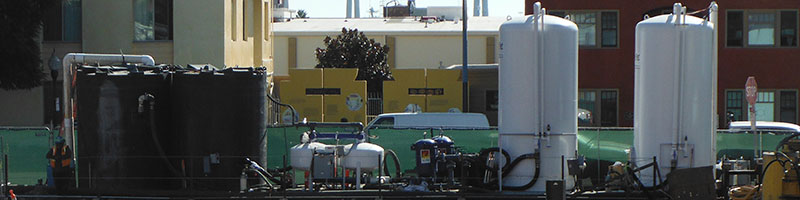
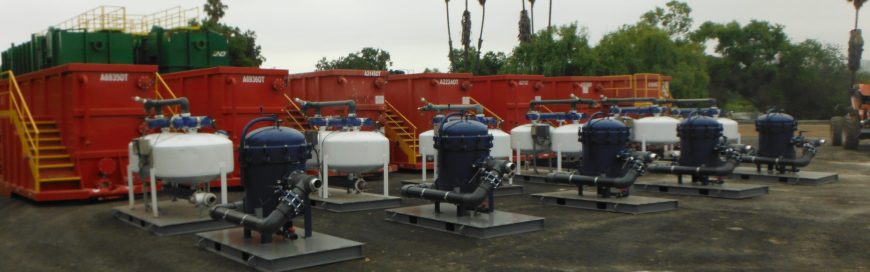
During this process, contaminated groundwater is first extracted from the subsurface through dewatering wells or groundwater extraction systems. Once the groundwater is removed, it is directed through specialized filtration systems designed to capture and remove PFAS compounds before the treated water can be safely discharged.
Common PFAS treatment technologies may include:
-
Activated carbon filtration
-
Ion exchange treatment systems
-
Specialized filtration media designed for PFAS removal
These systems are often used as part of construction dewatering projects, environmental remediation efforts, and industrial groundwater treatment applications.
PFAS Treatment Solutions from Pure Effect
Pure Effect, Inc. provides advanced PFAS and PFOS treatment solutions for both construction dewatering projects and groundwater remediation systems. With extensive experience in environmental water treatment, Pure Effect designs and supplies filtration systems that help remove PFAS compounds from contaminated groundwater before discharge.
Our treatment systems are designed to support:
-
Construction dewatering projects
-
Environmental groundwater remediation
-
Industrial water treatment applications
-
Temporary and long-term filtration system rentals
By combining groundwater extraction, advanced filtration technology, and environmental treatment expertise, Pure Effect helps contractors and environmental professionals effectively manage PFAS-contaminated water while maintaining regulatory compliance.
Contact Pure Effect for PFAS Groundwater Treatment
PFAS contamination presents complex environmental challenges that require specialized treatment solutions. Whether your project involves construction dewatering, environmental remediation, or industrial groundwater treatment, Pure Effect has the experience and equipment needed to support your project.
To learn more about PFAS and PFOS treatment systems for construction dewatering and groundwater remediation, contact Pure Effect, Inc. today.